Posts

Quarter 1 ends tonight!!

Image
Complete your Health Assessment (20 points/$50) and earn a total of 50 points (additional $50) by midnight tonight!! Payout will be in your 5/7 pay statement assuming there is no delay in reporting from the vendor due to COVID-19. The first quarter of the Make Your Wellness 20/20 Incentive Program ends tonight. For more information about requirements and eligibility, please visit our website .  Quarter 2 (an opportunity to earn more $$/points) will begin tomorrow. Our first Corporate Challenge is Attitude of Gratitude . With the transitions and adjustments we are having to make, this challenge is a happy little reminder that we all have a lot to be thankful for!

O is for...

Image
Oils! Oils are fats that are liquid at room temperature. They do not make up a food group but do provide essential nutrients. Some commonly used oils are canola, olive, sunflower and sesame. There are foods that contain oils like nuts, olives, mayonnaise, some salad dressings, avocados and some fish ( salmon, tuna, mackerel, herring, trout, sardines) . Blends of oils can be sold as “vegetable oil”. Because oils are a fat, they can be calorie dense. Most oils have high amounts of monounsaturated or polyunsaturated fats- these types of fat have the most health benefits. Some plant-based oils contain saturated fats, which make them more solid at room temperature. Some of these oils are coconut oil, palm oil and kernel oil. Some popular ways oil is used: Make your own salad dressings, marinades, dips and sauces. Grill, saute , stir fry, bake or roast foods. Coat pans to keep food from sticking. Spread or drizzle on foods for flavor. “Season” cast-iron co...

N is for...

Image
Net Carbs: With new trending low carb diets like the Keto Diet, net carbs are becoming a hot topic. What are net carbs? Net  carbs  are sometimes referred to as digestible or impact carbs. These carbs are the carbs excluded from fiber. When you eat a carb-containing food, most of the carbs are broken down into individual sugar units by enzymes produced in your small intestine. Your body can only absorb individual sugar units. However, some carbs can't be broken down into individual sugars, whereas others are only partially broken down and absorbed. These include fiber and sugar alcohols. Fiber  is a unique form of carbs, unlike starch and sugar, fiber isn't absorbed in your small intestine. This is because the links between sugar units can't be broken down by the enzymes in your digestive tract. Therefore, fiber passes directly into the colon. There are two broad categories of fiber: insoluble and soluble. Insoluble fiber does not dissolve in water. This type...

Take Care of You!

Image
Self-care is critical! “First, take care of your physical health. Being exhausted and rundown makes you more susceptible to illness and less able to fight off infection. And these physical health tips also have scientifically-proven benefits for your mental health, to help you endure (or even thrive in) these wild times" - Eric Karpinski Take care of the basics: Practice good sleep hygiene. Set a bedtime and stick to it. Turn off screens 30 minutes before you go to bed. Remove your phone from the room. Get exercise. Many gyms and exercise classes are closed so you may have to create a new routine. Go on long walks or runs and explore trails, parks, beaches or mountains. If you’re stuck inside, try free online yoga classes or the seven-minute workout (particularly easy and fun to do with kids). Eat healthily. Sitting around at home turns many of us into snack monsters. Take advantage of extra time at home to cook healthy meals (bonus points for making extra and sharing...

M is for...

Image
Metabolism Thermic effect of food (TEF) is the energy you burn to digest, absorb and process the nutrients in the food you eat. Protein  causes the largest rise in TEF. It increases your metabolic rate by 15–30%, compared to 5–10% for carbs and 0–3% for fats. Eating protein has also been shown to help you feel more full and prevent you from overeating. We are going to share 3 ways that you might be able to boost your metabolism. 1.        Drinking cold water instead of sugary drinks can help you shed some extra pounds. Drinking water can also temporarily boost your metabolism. Your body has to use energy to heat the water you drank to body temperature. Water also helps you feel full, typically resulting in you eating less.   2.       Stand up and move more. Have you heard the saying “sitting is the new smoking”? If you have a desk job it is so important to make sure you get up and move throughout the day. Any...

L is for...

Image
Legumes!! What are legumes? Legumes include lentils, peas, chickpeas, beans, soybeans and peanuts! The term “legume” is used to describe the seeds of these plants. They vary in nutrients, but overall, they are a nutritional addition to any meal . Legumes are a phenomenal plant-based source of protein and generally they are much cheaper than other sources of protein. Another bonus is FIBER! These bad boys are high in healthy fibers and they help you feel full. Legumes have been linked to various other health benefits, including a reduced risk of heart disease and lower cholesterol levels. Final major benefit we will share today is that they are generally environmentally friendly! You can use them to enhance your soups, burritos, or just eat them plain!   However you choose to eat legumes, we hope you enjoy them!

K is for...

Image
Kale Salad Kale has gained as much popularity as a high school football player in the last few years! Whether you find it steamed, in a salad or use it for juicing it is packed with nutrients. Today we are sharing a recipe from Spend with Pennies . For salads, you often hear “massage the kale”. What does that mean? We’re glad you asked!   After washing and drying your kale, remove the ribs/stem from each kale leaf. Tear or chop the kale into bite-sized pieces. Next you use your hands to massage it, very similar to how you massage a shoulder. You squeeze the kale with the goal of softening it. Some people massage kale with oil, but if you are planning to use it for the base of a salad with additional dressing you might want to skip the oil. Kale Salad Ingredients: 5 cups chopped kale 1-2 tsp olive oil 1/8 tsp salt   2 cups chopped broccoli 1/2 cup sliced almonds 1/2 cup cheese  optional...

J is for...

Image
Before you get started, you should know a few things about what you can expect juicing to do for you, and what's just hype. The Biggest Advantage: It's an easy way to get more fruits and veggies into your diet! “If you’re not big into fruits and vegetables , it’s a good way to get them in," says nutritionist Jennifer Barr, RD, of Wilmington, DE. You should still aim to eat 2 whole fruits and 3-4 vegetables each day! Choose them in different colors, so you get a good mix of vitamins and minerals. Fiber Factor: When you juice, you don't get the fiber that's in whole fruits and vegetables . Juicing machines extract the juice and leave behind the pulp, which has fiber. So you don't miss out on the fiber, you can add some of the pulp back into the juice or use it in cooking such as muffin batter or broth for soup! The calories disappear when I put it in the blender, right?? Wrong. Those extra additions to your juice may taste delicious but be a...

I is for...

Image
Insulin! Before we dive into insulin, you have to understand glucose. Glucose is a sugar found in many carbohydrates. When you eat something, your body breaks it down and changes it to glucose. Once the glucose is in your blood stream, insulin (created in the pancreas) comes through and allows the sugar to be absorbed as energy. Insulin helps balance your blood glucose levels. When there is excess glucose in your bloodstream, insulin signals the body to store it in the liver. The liver storage is used when your blood glucose drops (this could happen between meals). Diabetes occurs when your body doesn't use insulin properly or doesn't make enough insulin. Diabetes is much more complex topic. There are 2 types: type 1 and type 2. Type 1 is an autoimmune disease; in many cases it is developed when a person is young. Type 2 is when your body has become resistant to insulins effects. This is typically due to poor lifestyle choices over an extended period of time. Maint...

H is for....

Image
Oh HONEY , have you heard about some of the benefits of honey compared to refined sugars? If not, we are glad you’re here today reading this. Being a natural compound from our good friends the honeybees is already a step up from being factory developed. Here are 3 fun facts from honey: Honey & Diabetes: According to Healthline, there are mixed reviews on honey and diabetes. It has been reported that honey can reduce several risk factors for heart disease common in people with type 2 diabetes. Honey has been found to do things that are good for the body like, lower LDL cholesterol, triglycerides and inflammation while raising HDL cholesterol. However, some studies have found that it can also increase blood sugar levels, but not as much as processed sugars. Honey may be slightly better than refined sugar for people with diabetes, it should still be consumed with caution. Honey & Burns: Topical honey treatment has been used to heal wounds and burns since ancient Egypt and is...

G is for....

Image
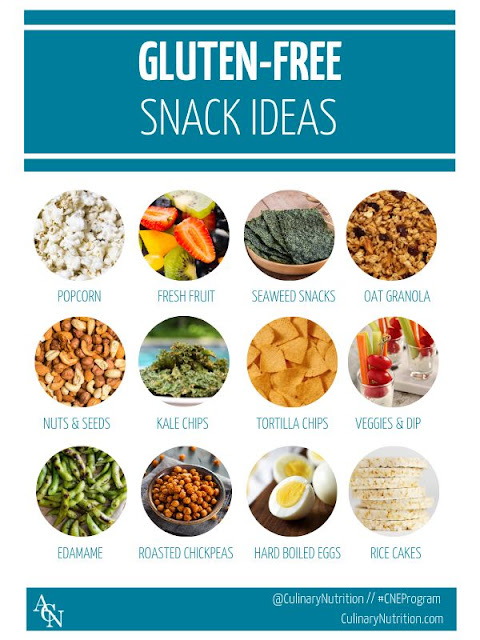
GLUTEN! What is gluten? It is a protein found in wheat and certain other grains. Some people live their whole lives and don’t think about foods that contain gluten, but for those that have an intolerance it is important to know where you will find this protein. According to the National Institute of Diabetes and Digestive and Kidney Diseases, about 1 out of every 141 Americans has celiac disease. Celiac is more than an intolerance to gluten, it is a digestive disorder caused by an abnormal immune reaction to gluten. In an effort to focus on the more positive side of life, here are some foods that generally do not contain gluten: fruit, vegetables, beans, seeds, legumes, nuts, potatoes, eggs, dairy, corn, rice, soy, buckwheat, fish, chicken, seafood, oil and vinegar. As this wheat protein grows more popular, you can find many gluten free options in stores and online. If you have any gluten sensitive or friends with celiac, keep this in mind next time you invite them over for din...

F is for...

Image
Fasting: Intermittent fasting is a popular topic. Some people use it to regulate their body's functions and others use it for weight loss. Fasting has been a practice throughout human evolution. Ancient hunter-gatherers didn't have supermarkets, refrigerators or food available year-round. Sometimes they couldn't find anything to eat. Intermittent fasting is an eating pattern that cycles between periods of fasting and eating not specific foods you should eat.  The following are only the most popular: 16 off/8 on method: Fasting for 16 hours then eating for 8. An example of this would be only eating from noon to 8pm. This would allow a 16 hour fast between the hours of 8:01pm and 11:59am. 5:2 diet: With this method, you consume only 500–600 calories on two non-consecutive days of the week but eat normally the other 5 days. An important thing to note when fasting is the importance of liquids. Water, black tea, herbal tea and black coffee are generally the only l...

E is for...

Image
Does your thirsty Thursday beverage have ELECTROLYTES?? Electrolytes are minerals in your blood and other body fluids that carry an electric charge. Electrolytes affect the amount of water in your body, the acidity of your blood (pH), your muscle function, and other important processes. Electrolytes are lost when you sweat, and must be replenished by drinking fluids or consuming foods that contain electrolytes. Electrolytes include: Calcium Chloride Magnesium Phosphorous Potassium Sodium Peach, celery, watermelon, beet, banana, cucumber and cherries are all on the list for increasing electrolytes.   So what about the sport's drinks, don't they have electrolytes? Yes they do! Typically the primary electrolytes in sports drinks are potassium and sodium. When choosing a sports drink, keep an eye on the serving size and the amount of sugar in your drink of choice. Don't forget the primary ingredient in most sports drinks is water and you can replen...

Corporate Challenge #2 is here!

Image
We are taking a break from our alphabet programming to share the 2nd corporate challenge of the year! The winter blues are real. Scientist have a name for it: seasonal affective disorder. Fortunately, practicing mindfulness can help lift your spirits when the days are shorter. Mindfulness is simply being fully aware of the present moment and what you’re experiencing. Join Live Well Vermont in:    Beat the Winter Blues! Challenge Dates: February 24- March 25 Registration is open now and closes on March 2nd . During the next 30 days, try practicing mindfulness at least 5 minutes every day. See if it doesn’t improve your mood and create a more positive attitude. Let’s power through the rest of this winter together!   The challenge ends on March 25th. There is a grace period for tracking until March 28th. Please note: if you are backtracking within the grace period you must make sure you track all days between February 24 - March 25. Are you ready to ...

D is for...

Image
Let’s dive right into the DASH diet. DASH stands for Dietary Approaches to Stop Hypertension. The DASH diet main goal is to help treat or prevent high blood pressure. The DASH diet is a dietary approach to lower blood pressure without using medication. Increasing fruits and vegetables and lowering sodium. There are 2 courses of action with the Dash Diet: Standard DASH diet.  You can consume up to 2,300 milligrams (mg) of sodium a day. Lower sodium DASH diet.  You can consume up to 1,500 mg of sodium a day. Both versions of the DASH diet aim to reduce the amount of sodium in your diet compared with what you might get in a typical American diet, which can amount to a 3,400 mg of sodium a day or more. The DASH Diet is unique because it also meets the dietary recommendations to prevent osteoporosis, cancer, heart disease, stroke and diabetes! It is also unique in the sense that it does not give you a list of foods ...

C is for...

Image
Cholesterol is a waxy substance found in your blood. Your body needs cholesterol to build healthy cells, but high levels of cholesterol can increase your risk of heart disease. With high cholesterol, you can develop fatty deposits in your blood vessels.  Recommendations are as follows: Total Cholesterol: Less than 200mg/dL HDL (“good cholesterol”): >40mg/dL in men, >50mg/dL in women LDL (“bad cholesterol”): <129 mg/dL Triglycerides: <149mg/dL Ratio Total Cholesterol: ≤ 3.5  How do you hit those numbers? You guessed it! Diet and exercise are the MVP of this game. Exercise is the #1 way to support increase in HDL. Increase regular aerobic exercise to at least 30 minutes, 5 times per week. This also helps individuals maintain a healthy weight. Generally, the higher your weight, the lower your HDL levels. Weight loss, using a combination of reducing processed foods and eating healthy fats, as well as exercise can greatly improve your good choles...

Livongo Heart Health!

Image
Check out these February Heart Health Tips!

B is for....

Image
“You need a healthy blood pressure!” Fabulous, but what does that even mean? If you have ever seen a blood pressure reading you know it looks like a fraction, for example: 120/80mm Hg. The top number of this important fraction is your systolic pressure. Systolic pressure refers to the amount of pressure in your arteries during the contraction of your heart muscle. The bottom number measures when your heart is in between beats, your diastolic pressure. Here are 3 tips to support healthy blood pressure:  Reduce sodium. When you can, avoid heavily processed food and try to reduce or eliminate adding any additional salt to your meals. Sodium has been linked to increasing blood pressure. Managing stress is another great way to maintain a healthy blood pressure. Stressors can often cause blood pressure to increase. If you find that you are someone who has a spike in blood pressure in stressful situations, consider yoga or meditation. Exercise supports so many avenues of health and...

A is for.....

Image
Antioxidants are molecules that fight free radicals (unstable molecules that could harm cells) in your body. Free radicals are compounds that could harm if their levels get too high in the body and are often connected to illnesses like diabetes, heart disease and cancer.  So how do we reduce these bad boys? Your body has a defense mechanism in place to keep free radicals in line. To make that line of defense stronger and support your body’s effort to keep you healthy, you can add certain foods to your diet!  Whole foods can help a whole lot! Fruits and vegetables serve as a strong source of vitamins and effective antioxidants. Some food/drink items that have the best reputation for antioxidants are berries, green tea, coffee and dark chocolate! Please be mindful of moderation for dark chocolate and any added cream and sugars in your coffee and tea, but still health benefits in chocolate- yay! There are antioxidant supplements that you can take. Some research shows that to...

Let the fun begin!

Join us as we go through the alphabet!! Starting Thursday we are going to cover a variety of wellness topics going A to Z! Stay tuned for more fun as we stroll down alphabet lane!